




Running a small or medium business in the UAE often means one thing: you need capital to grow. Whether you want to hire more staff, buy new equipment, or expand into a new market, a business loan UAE lenders offer can give your company the financial push it needs. But with so many banks, product types, and eligibility rules, choosing the right loan is not always simple. Interest rates, repayment structures, and hidden fees can vary widely from one lender to the next, and a decision made in a hurry can affect your cash flow for years. This guide breaks down everything you need to know before you apply, so you can make a confident and informed decision for your business, no matter what stage of growth you are in.
Why SMEs in the UAE Need the Right Business Loan
Small and medium enterprises make up a large share of the UAE economy, yet many still struggle to access the funding they need at the right time. A well-structured loan does more than cover a cash shortfall. It lets you take on bigger contracts, stock up on inventory before a busy season, or invest in technology that saves time and money down the road. Picking the wrong type of loan, however, can strain your cash flow with repayments that do not match your revenue cycle. A seasonal retail business, for example, needs a very different repayment schedule than a consulting firm with steady monthly income. That is why understanding your options matters as much as securing the funds themselves, and why so many SMEs bring in outside guidance before signing an agreement.

Types of Business Loans Available in the UAE
UAE banks and finance providers offer several loan structures, and each suits a different business need.
- Term loans: a lump sum repaid over a fixed period, often used for expansion or asset purchase
- Working capital loans: short-term funding to cover day-to-day expenses like salaries, rent, and supplier payments
- Overdraft facilities: flexible credit linked to your business account, useful for managing seasonal cash flow gaps
- Equipment finance: funding tied to machinery, vehicles, or equipment purchases, usually secured against the asset itself
- POS-based loans: financing based on your point-of-sale transaction history, popular with retail and hospitality businesses
Matching the loan type to your actual need is the first step toward sustainable growth. Many business owners default to the first product a bank offers them, without realizing a different structure could reduce their monthly repayment burden or free up working capital elsewhere in the business.
Eligibility Criteria Banks and Lenders Look At
Every lender has its own checklist, but most UAE banks review similar factors before approving a business loan.
- Trade license age, usually a minimum of one to two years
- Monthly and annual turnover, shown through bank statements
- Credit history of the business and its owners, including any prior defaults
- Existing liabilities and debt obligations across other banks
- Sector risk, since some industries face tighter scrutiny than others
Meeting these criteria does not guarantee approval, but it puts you in a much stronger position when you submit your application. Banks also look favorably on businesses that already hold an account with them, since it gives the relationship manager direct visibility into your transaction history.
Documents You Will Need to Apply
Preparing your paperwork in advance speeds up the entire process. Most applications ask for:
- Valid trade license and Memorandum of Association
- Passport and Emirates ID copies of shareholders
- Six to twelve months of bank statements
- Audited financials or management accounts, depending on loan size
- VAT registration certificate, where applicable
Incomplete documentation is one of the most common reasons applications get delayed or rejected. Even something as simple as a mismatch between the trade license activity and your actual invoices can trigger extra questions from the bank’s credit team, so double-checking consistency across every document is worth the extra time.
How to Choose the Right Lender
Not every bank is the right fit for every business. Compare interest rates, but also look closely at processing fees, early settlement charges, and the flexibility of repayment terms. Some lenders specialize in specific sectors, such as trading, construction, or e-commerce, and may offer better terms if your business fits their focus. Others move much faster on approvals but charge a premium for that speed, which may or may not matter depending on how urgently you need the funds. Speaking with a finance consultant who understands the UAE lending landscape can also assist you avoid offers that look attractive on the surface but carry hidden costs buried in the fine print.
Common Mistakes to Avoid When Applying
Many SMEs lose valuable time by applying with the wrong lender first or submitting incomplete files. Other common mistakes include underestimating the loan amount needed, ignoring the impact of monthly repayments on cash flow, and not comparing multiple offers before committing. Some business owners also apply to several banks at once without realizing that multiple simultaneous credit checks can actually hurt their application, since it signals financial uncertainty to lenders. Taking a structured approach, applying to the most suitable lender first, and getting expert guidance where needed, makes the difference between a smooth approval and months of back and forth.

Conclusion
Securing the right business loan UAE banks offer takes preparation, the right documentation, and a clear understanding of your business needs. With the right approach, financing can become a growth tool rather than a burden, giving your business the breathing room to take on new opportunities instead of just surviving month to month. If you are ready to explore your options, working with an experienced finance consultant such as SME Finance can assist you compare offers properly and find a loan structure that truly fits your business today and as it continues to grow.
Related Posts
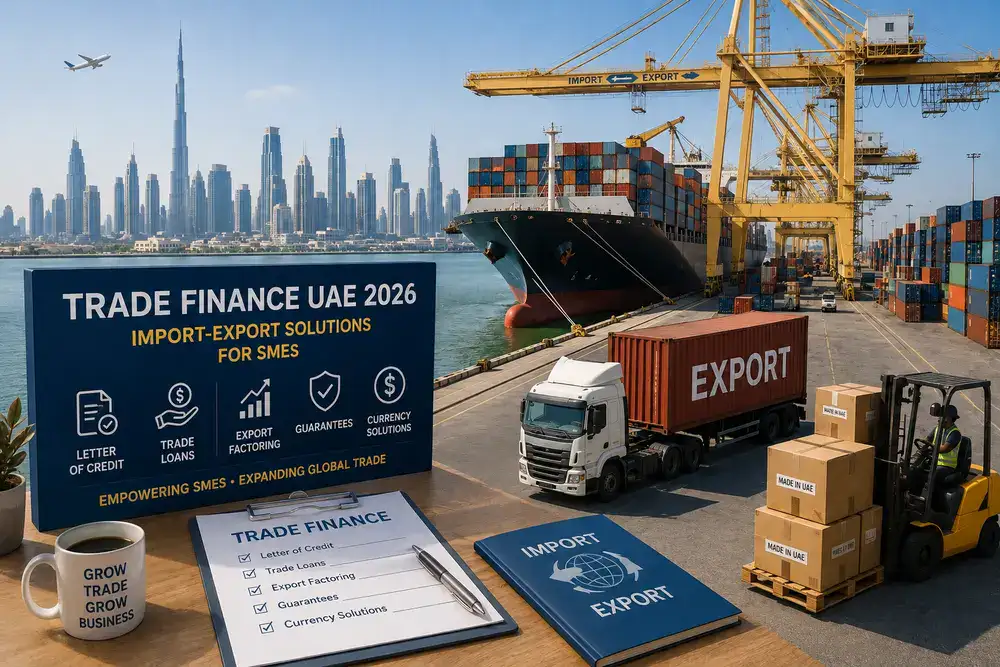
Trade Finance UAE: How It Assists SMEs Grow Their Import-Export Business
International trade brings huge opportunity for UAE businesses, but it also brings risk, especially when…

Mortgage Finance UAE: What It Costs and How to Choose the Right Plan
Buying property in the UAE, whether for your business or as an investment, usually means…

How to Open a Corporate Bank Account in Dubai: A Step-by-Step Guide
Corporate bank account opening Dubai is one of the first real milestones for any new…

Corporate Bank Accounts vs. Personal Bank Accounts: Key Differences for Business Owners
As a business owner, understanding the difference between a corporate bank account and a personal…